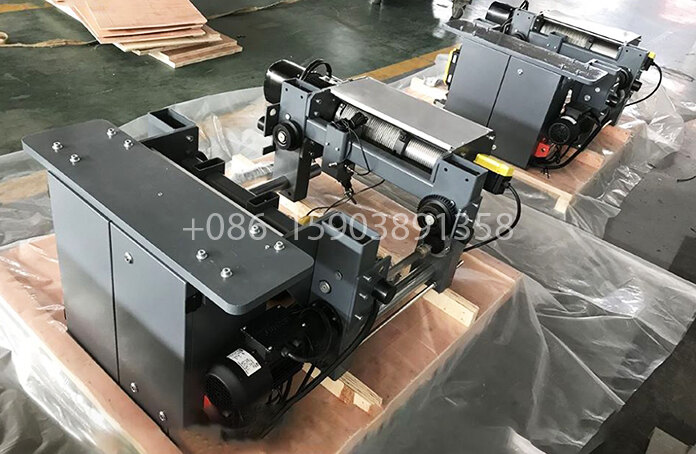
Electric Hoists
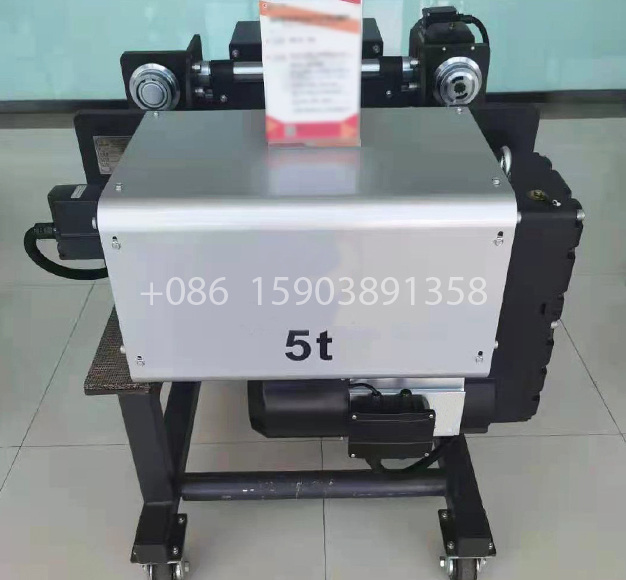
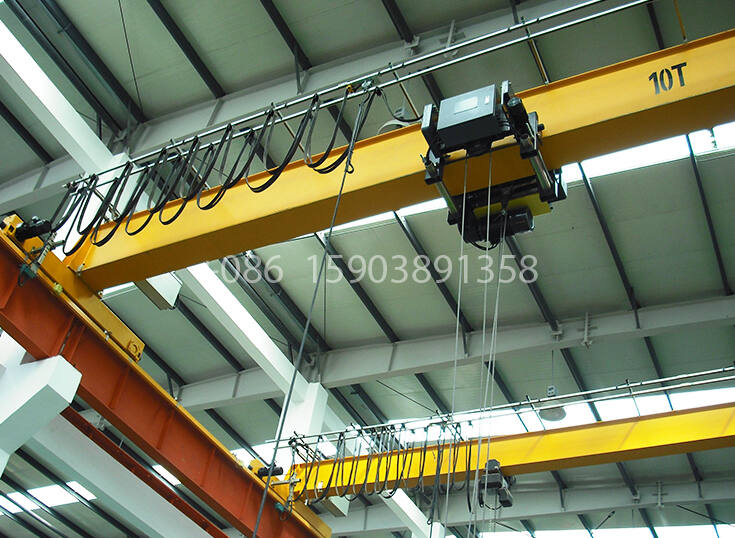
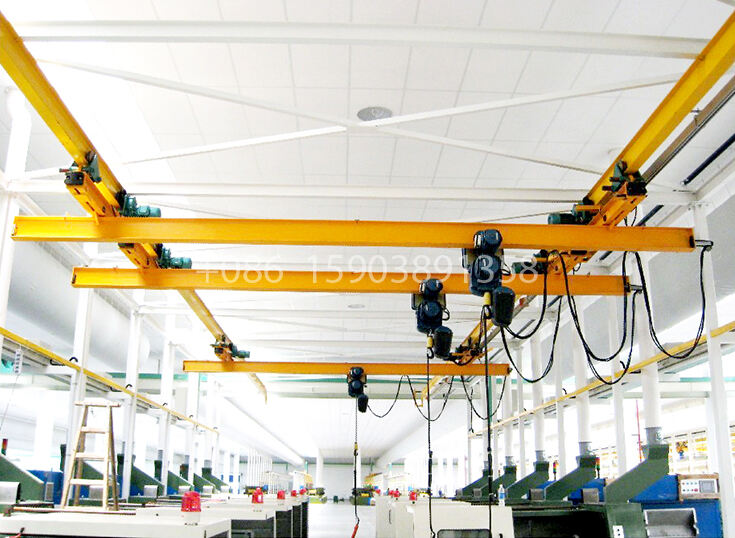
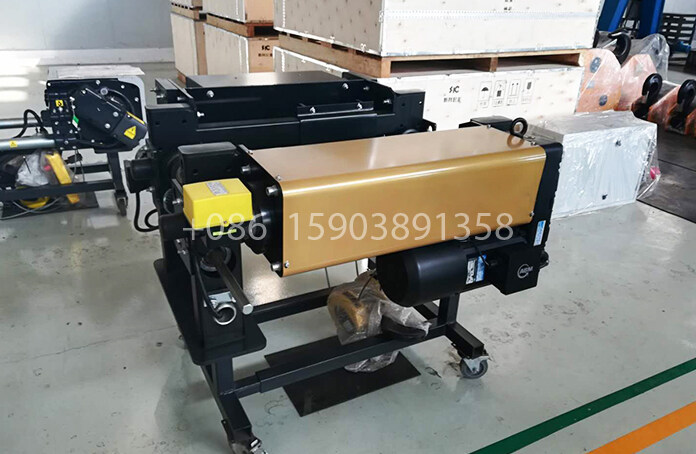
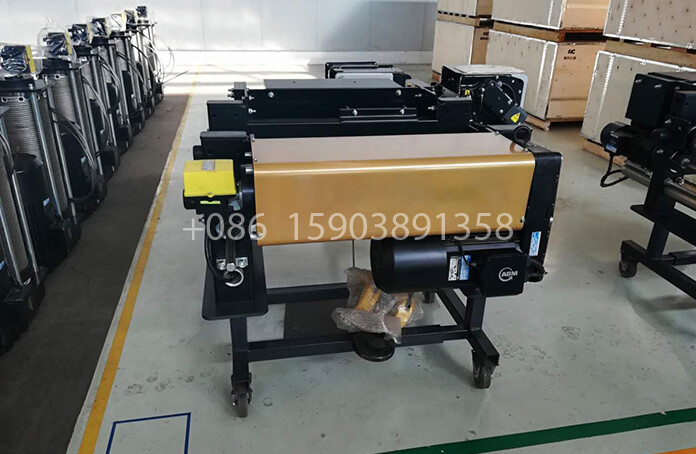
The wire rope electric hoist is a lightweight lifting device with a wide range of applications due to its compact structure, light weight, convenient operation, and reliable safety. It can be installed independently or used in conjunction with various cranes, primarily for lifting and unloading heavy objects. Suitable for various industrial scenarios, it is an indispensable lifting device in many industries such as ports, power, and steel. Relevant safety regulations must be followed during use to avoid violations.
Product Description
The wire rope electric hoist is a practical, safe, and reliable lightweight lifting device. Its core features and uses are detailed below:
Core Uses
Primarily used for lifting and unloading heavy objects, such as the installation and movement of various large and medium-sized concrete, steel structures, and mechanical equipment. Suitable for various basic construction projects and industrial material handling scenarios.
Structural Characteristics
Compact structure, light weight, small size, highly interchangeable parts, convenient operation, requiring no complex training to learn.
Reducer Configuration
Employs a hardened gear surface transmission design or a three-stage fixed-axis helical gear transmission mechanism, ensuring high mechanical efficiency and long service life. Core components are made of superior materials and are tightly assembled and well-sealed.
Motor Configuration
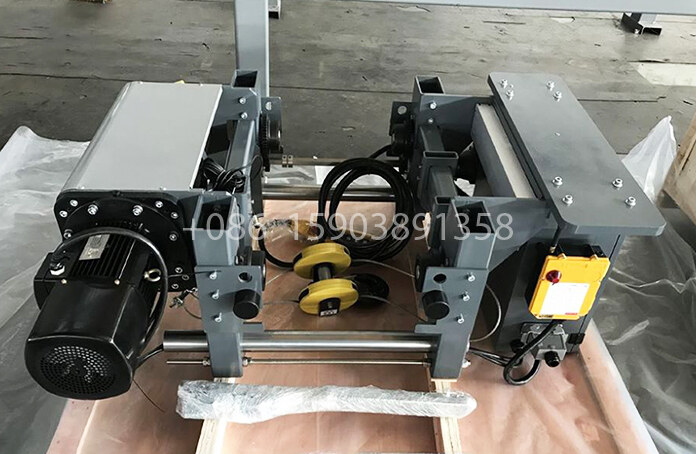
Uses a conical rotor brake motor. The hoisting motor is a high-torque conical rotor brake asynchronous motor, eliminating the need for an external brake. It is also equipped with bidirectional safety limit devices to ensure operational safety.
Safety Protection
The lifting hook has a locking device to prevent accidental slippage of the rigging; the motor has a thermal protection device that automatically cuts off the circuit to protect the motor when the temperature is too high; an optional load limit protection device can be installed to prevent overload and safety hazards.
Installation Method
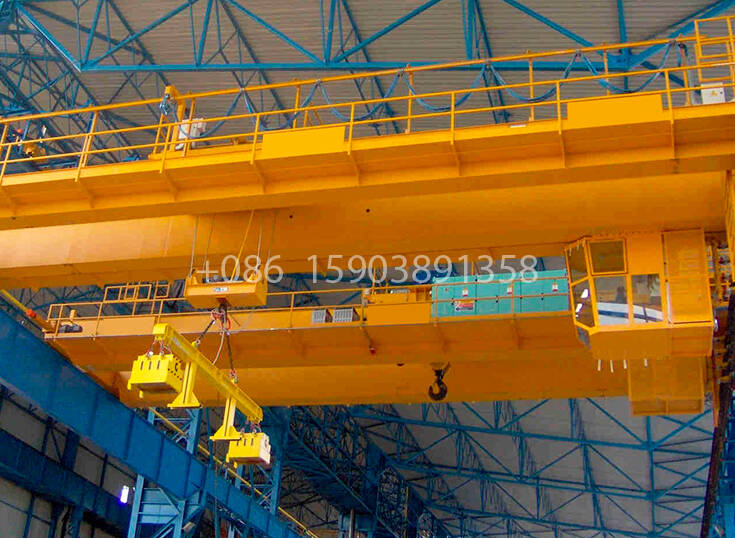
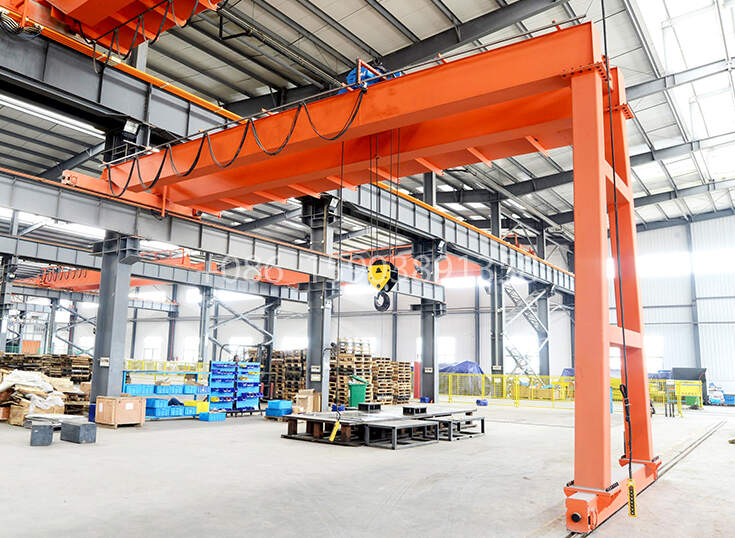
Can be installed independently on an overhead I-beam for linear or curved movement, or can be used in conjunction with specially manufactured single-beam, double-beam, cantilever, and gantry cranes, offering flexible and diverse installation options.
Environmental Adaptability
Suitable for environments with temperatures ranging from -20°C to +40°C, humidity ≤85%, altitudes below 1000m, and no fire or explosion hazards, corrosive media, or dust pollution; lifting molten metal, toxic, flammable, or explosive materials is prohibited.
Application Areas
Widely used in important industries such as ports, power, steel, shipbuilding, petrochemicals, mining, railways, construction, metallurgy, chemical engineering, automobile manufacturing, plastics machinery, industrial control, highways, and heavy transport, as well as infrastructure projects.
Precautions for Use
During use, ensure secure binding, even weight distribution, do not exceed the load-bearing capacity, and avoid collisions to ensure safe operation.
Product Feature
Compact Structure, Lightweight, and Small Size
Highly versatile components, easy operation, convenient installation and transportation, suitable for various space-constrained scenarios.
High Efficiency and Durability
The reducer adopts a hardened gear surface transmission design or a three-stage fixed-axis helical gear transmission mechanism, resulting in high mechanical efficiency and a long service life. The gears, gear shafts, housing, and cover are made of superior materials, ensuring tight assembly and excellent sealing.
Excellent Motor Performance
Utilizing a conical rotor brake motor, the lifting motor has a large torque, eliminating the need for an external brake. It is also equipped with upper and lower bidirectional safety limit devices to ensure safe lifting operations.
Comprehensive Safety Protection
The hook has a locking device to prevent accidental slippage of the rigging; the motor has a thermal protection device to prevent damage due to overheating; an optional load limit protection device mitigates the risk of overload.
Flexible and Versatile Installation
It can be installed independently on overhead I-beams or used in conjunction with various types of cranes, adapting to different operational needs.
Strong Environmental Adaptability
Suitable for specific temperature, humidity, altitude, and environments free from hazards, corrosion, and dust pollution, making it applicable to a wide range of scenarios.
Wide Application
Adaptable to multiple important industries and infrastructure projects, it is an indispensable lightweight piece of equipment in various lifting operations.
Wheel Assembly Materials
Main Materials of the Product
1. Core Transmission Components: The gears and gear shafts of the reducer are made of heat-treated alloy steel, possessing high strength, high wear resistance, and good transmission performance; the reducer housing and cover are made of high-quality cast iron, ensuring tight sealing and strong stability.
2. Motor Components: The stator and rotor of the conical rotor brake motor are made of high-quality silicon steel sheets and copper core coils, possessing good conductivity and heat dissipation, large torque, and reliable braking; the thermal protection device uses high-temperature resistant and highly sensitive electrical materials.
3. Lifting Components: The wire rope is made of high-strength galvanized steel wire rope or high-quality alloy steel wire rope, possessing wear resistance, corrosion resistance, and strong load-bearing capacity; the lifting hook is made of high-strength alloy steel, heat-treated for enhanced hardness, high load-bearing capacity, and the locking device is made of wear-resistant alloy material.
4. Auxiliary components: The outer casing, bracket, etc. are made of high-quality steel plate or cast iron, and the surface is treated with anti-rust to improve corrosion resistance; the core components of the load limit protection device and the limit device are made of high-precision and high-reliability metal and electrical materials to ensure stable safety protection functions.