Lifting Hook
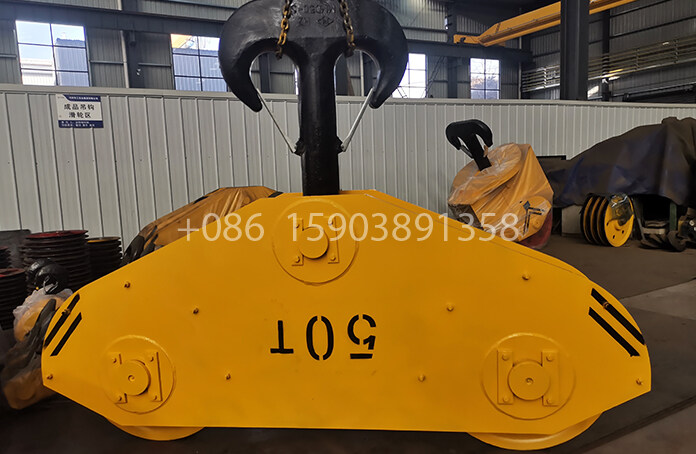
Hook assemblies are the core load-bearing components of lifting equipment, used for suspending and lifting heavy objects. They come in various types, each differing in structure, characteristics, and applicable scenarios. When selecting a hook assembly, the appropriate type must be chosen based on specific lifting requirements and the shape of the object to ensure a safe and reliable lifting process.
Product Description
Hook assemblies are key components in lifting equipment used for bearing heavy objects. Their types, characteristics, and applicable scenarios are as follows:
Core Purpose
As a load-bearing component of lifting equipment, they are mainly used for suspending and lifting heavy objects, adapting to various lifting operation needs.
Types
Common types include single hooks, double hooks, short hook hook assemblies, long hook hook assemblies, stacked hooks, plate hooks, and forged hooks.
Single Hook
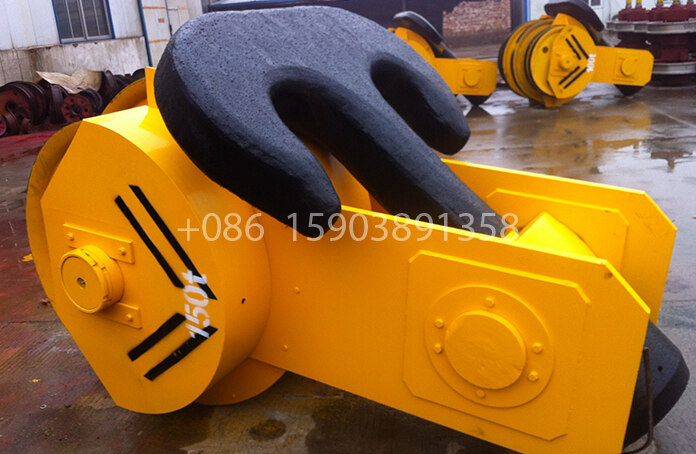
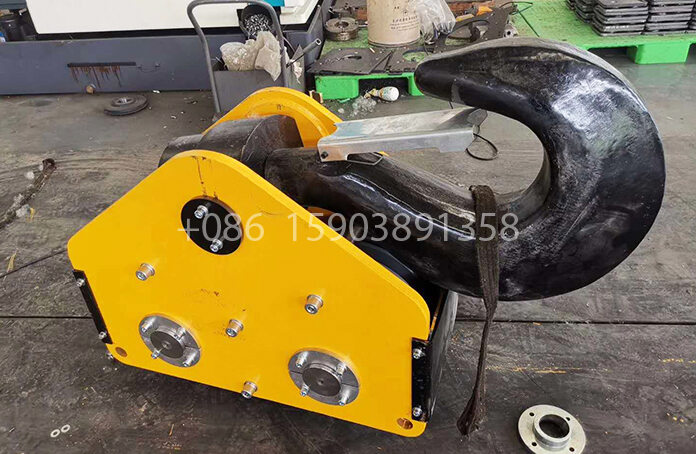
Simple to manufacture and easy to use, but with poor load-bearing capacity, typically suitable for lifting capacities below 80 tons.
Double Hook
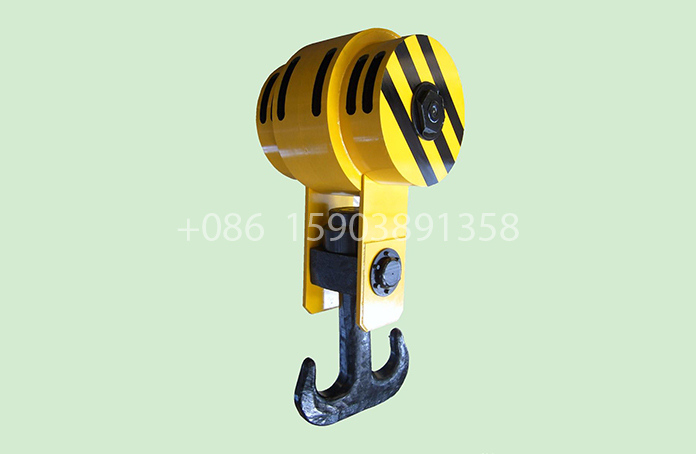
Symmetrical load distribution, more suitable for situations with larger lifting capacities.
Short Hook Type Hook Assembly
The hook beam is located below the pulley axle, the straight section of the hook is relatively short, the axial dimension of the pulley assembly is small, and the steel rope deflection angle is small; there are no restrictions on the odd or even number of steel rope branches, making it widely used.
Long Hook Type Hook Assembly
Classified alongside the short hook type, suitable for corresponding lifting operation scenarios.
Stacked Plate Hook
Constructed from several cut steel plates riveted together. Even if individual plates crack, the entire hook will not be damaged, offering high safety; however, it is relatively heavy and mainly used on cranes with large lifting capacities or for lifting molten steel ladles.
Plate Hook
Made from several 16Mn steel plates with a thickness of not less than 20mm, punched and cut into hook plates, then riveted together; during material cutting, the height direction of the hook plate must be aligned with the rolling direction of the steel plate to improve hook strength.
Forged Hooks
Forged from a single piece of high-quality low-carbon steel, slow cooling provides good stress resistance, typically ranging from 16Mn to 36MnSi.
Selection Principles
The appropriate hook type must be selected based on specific lifting requirements and object shape to ensure safe and reliable lifting.
Product Feature
Diverse Types
Covering single hooks, double hooks, short hooks, long hooks, stacked hooks, flat hooks, and forged hooks, adapting to various needs.
Single Hook
Simple to manufacture and easy to use, but with poor stress distribution, suitable for lifting capacities below 80 tons.
Double Hook
Symmetrical stress distribution, suitable for lifting larger capacities.
Short Hook Hook Assemblies
The hook beam is located below the pulley axle, with a short straight rod, small axial dimension of the pulley assembly, and small steel rope deflection angle; the number of steel rope branches is unlimited (odd or even), making it widely applicable.
Layered Hook
Constructed from multiple riveted steel plates. Individual cracks in the plates do not affect the overall performance, ensuring high safety. Due to its larger weight, it is suitable for cranes handling heavy lifting capacities or transporting molten steel ladles.
Plate Hook
Made from 16Mn steel plates with a thickness of at least 20mm, punched, sheared, and riveted. During blanking, the hook height direction is aligned with the rolling direction of the steel plate, resulting in high strength.
Forged Hook
Forged from a single piece of high-quality low-carbon steel. After slow cooling, it exhibits good stress resistance, typically ranging from 16Mn to 36MnSi.
Wheel Assembly Materials
Main Material Specifications
1. Single Hook, Double Hook: Made from high-quality low-carbon steel, possessing basic load-bearing strength and suitable for corresponding lifting capacity requirements.
2. Short Hook, Long Hook Assembly: The hook body is made of high-quality steel, while components such as the crossbeam and pulley shaft are made of steel with appropriate strength, ensuring structural stability and load-bearing safety.
3. Layered Hooks: The hook plates are made of pre-cut steel plates, and the connectors use rivets. The materials are adapted to the riveting structure and load-bearing requirements, ensuring safety.
4. Slab Hooks: The hook plates are made of 16Mn steel plates with a thickness of not less than 20mm, and the connectors use rivets. The 16Mn steel plate effectively improves the hook's strength.
5. Forged Hooks: Forged from a single piece of high-quality low-carbon steel, commonly using materials ranging from 16Mn to 36MnSi, ensuring stress resistance and load-bearing capacity.