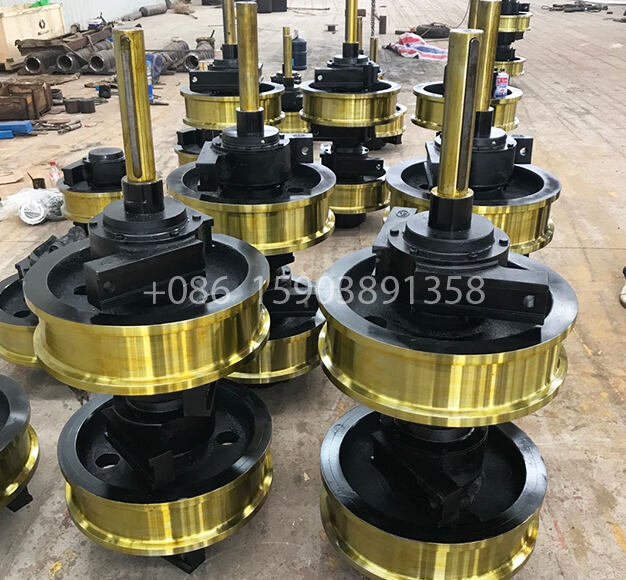
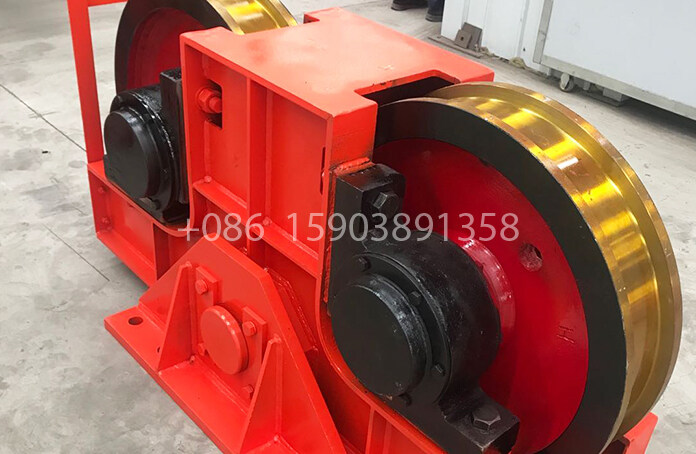
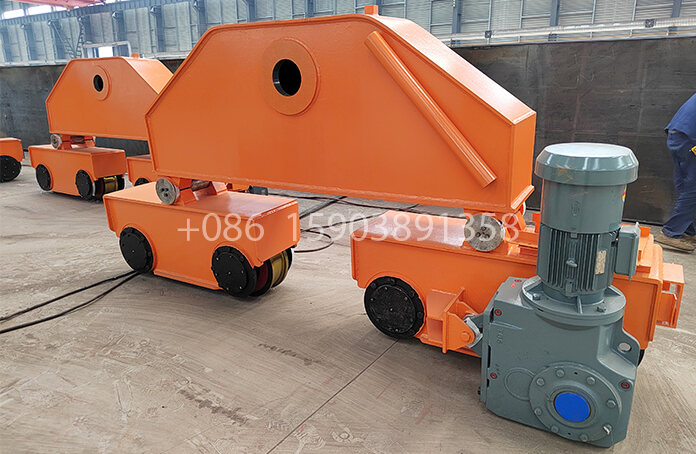
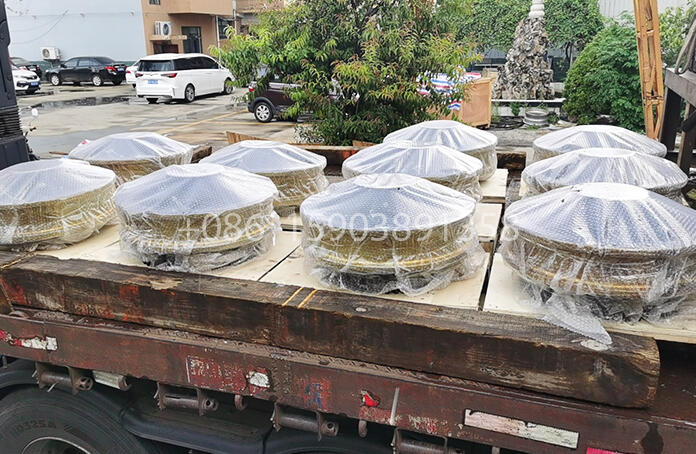
Wheel Assembly
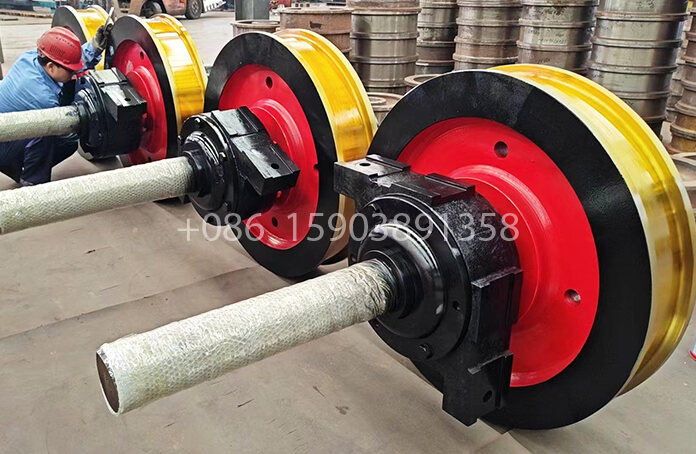
Crane wheelsets are a core and crucial component of cranes. They roll along rails, their primary function being to bear the crane's own weight and the load it carries, making them a key support component ensuring stable crane operation. This product uses strictly selected materials, requiring high strength, high hardness, and excellent comprehensive mechanical properties. The manufacturing process is mature, and it is available in both cast steel and forged types, with various specifications and support for non-standard customization. It is widely used in the running mechanisms of various cranes and related material handling equipment, adapting to different lifting operation requirements.
Product Description
Crane wheelsets are a core component of the crane's running mechanism, undertaking the crucial functions of load-bearing and guidance. They are manufactured with standardized processes, have complete specifications, and are widely used. Specific details are as follows:
Core Function
Rolling along rails, bearing the crane's own weight and the load it carries, providing stable support and guidance for the crane's trolley and crane movements, ensuring the overall smooth and safe operation of the crane.
Material Requirements
Wheels must possess high strength, high hardness, and good overall performance. Currently, the commonly used materials for forged and rolled wheels are 65Mn and CL60, with 65Mn exhibiting superior performance. The materials cover both cast steel and forged steel series to suit different load requirements.
Heat Treatment Process
All wheels are delivered after quenching and tempering. The core process utilizes an overall quenching and tempering process (a comprehensive heat treatment process combining quenching and high-temperature tempering) to improve the mechanical properties and service life of the wheels.
Machining Flow
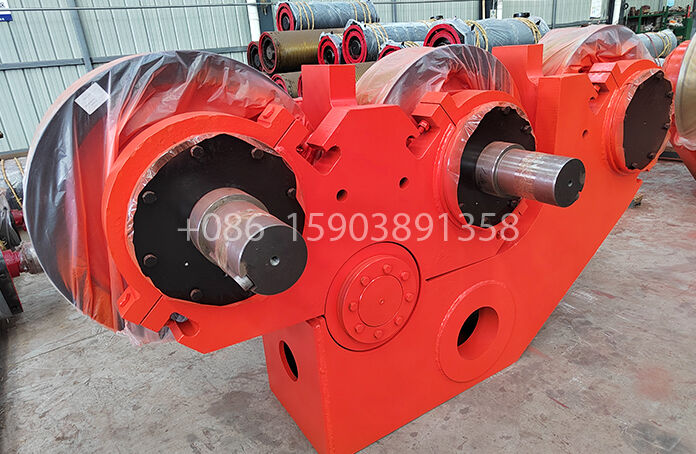
The complete machining flow is as follows: wheel casting/forging blank → rough turning → quenching or tempering → wheel drilling and key milling → finish turning → wheel axle key milling → end cap machining → assembly (wheel pieces, angle boxes, axles, bearings, end caps, etc.) → painting. Each process is strictly controlled to ensure product precision.
Product Classification
Based on manufacturing process, wheel sets are divided into cast steel wheel sets and forged steel wheel sets; based on structural type, they are divided into single-sided, double-sided, flangeless, reverse-rolling, and horizontal wheel sets; based on specifications, they are available in various diameter models to suit different application scenarios.
Specifications
Wheel set diameters cover φ250, φ350, φ315, φ400, φ500, φ600, φ700, φ710, and φ800 single-sided and double-sided wheels, as well as φ150, φ160, φ190, φ250, φ300, φ300, φ350, φ450, and φ500 horizontal, reverse-rolling, and flangeless wheels. A complete range of specifications is available.
Applicable Scenarios
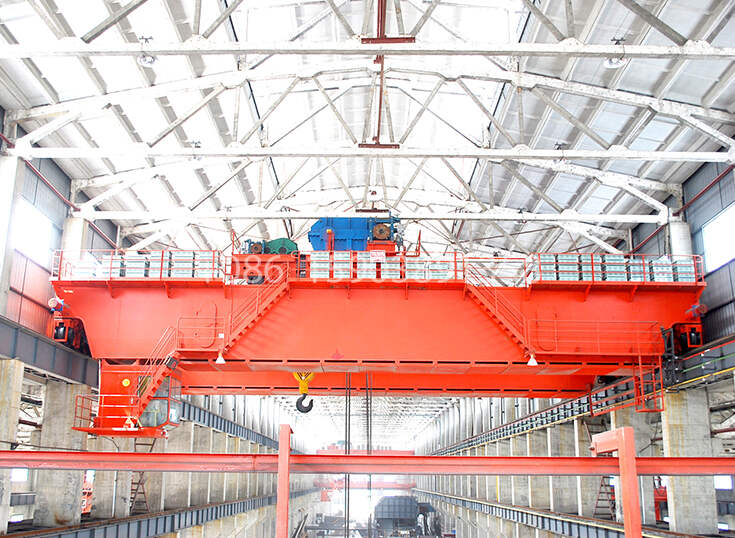
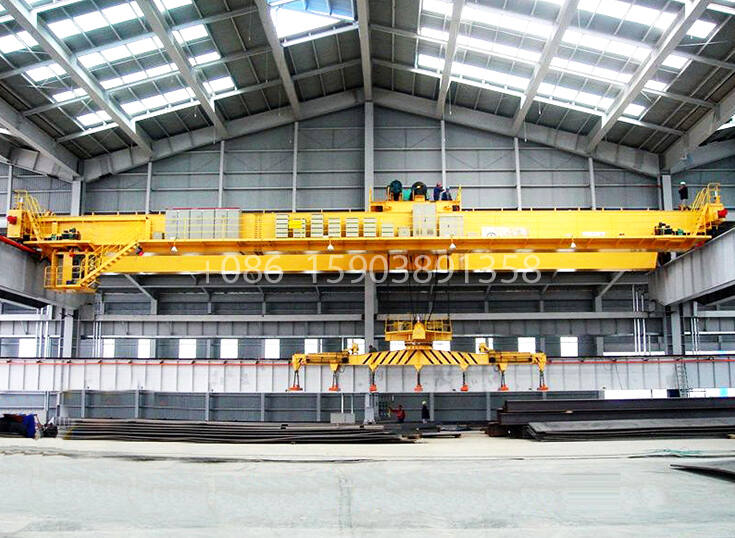
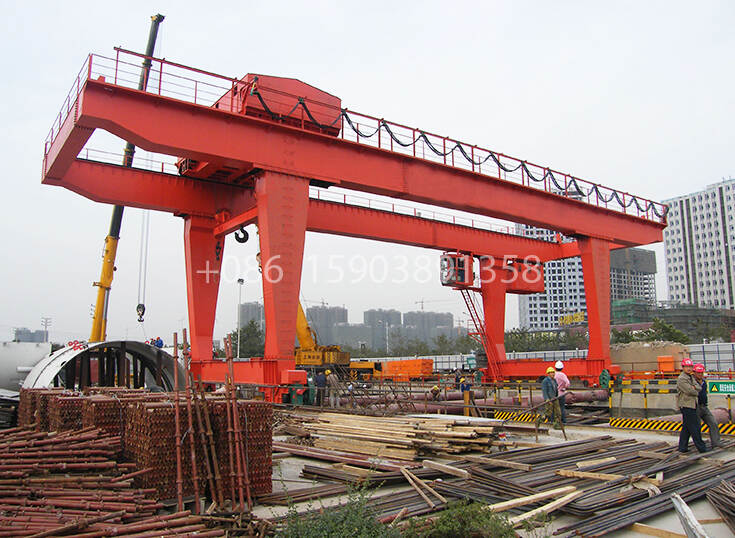
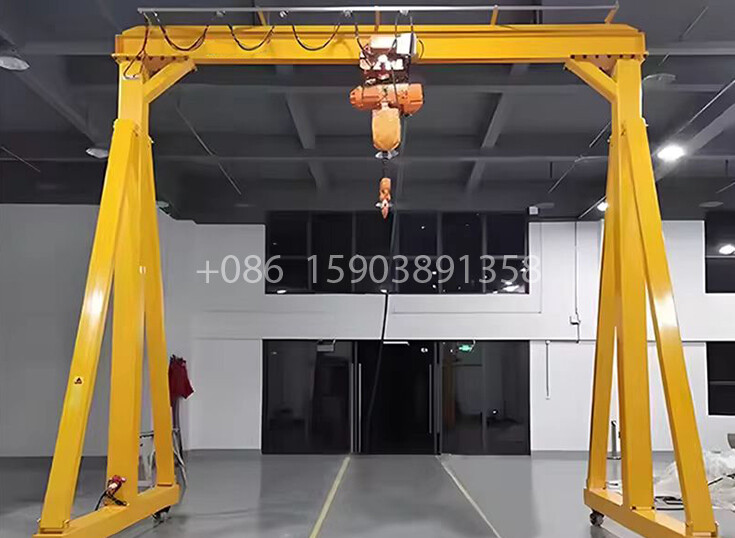
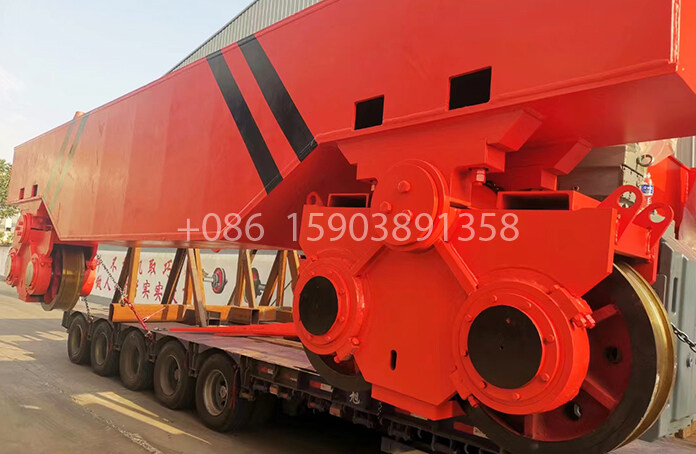
Single-sided wheel sets are mainly used in gantry cranes under 5t, and the trolley traveling mechanism of double-girder gantry cranes; double-sided wheel sets are mainly used in the trolley traveling mechanism of gantry cranes, double-girder gantry cranes, foundry crane traveling mechanism, electric flatcars, trolley sets, ship unloaders, shipyards, port machinery, coal unloaders, stacker-reclaimers, and quay cranes.
Customization Services
Our company specializes in producing crane wheel sets/overhead wheels/traveling wheels, and accepts customization of non-standard wheel products. We can adjust the material, specifications, and structure according to specific customer needs to adapt to special working conditions.
Product Feature
Strong Core Function
As a crucial component of the crane, it directly bears the crane's own weight and the load it lifts, playing a decisive role in the crane's operational stability and safety.
Superior Material
Utilizing high-strength, high-hardness materials, commonly forging and rolling materials are 65Mn and CL60. 65Mn, containing manganese, nickel, and copper, exhibits high hardenability and low surface decarburization tendency, resulting in superior mechanical properties after heat treatment. Manganese further strengthens ferrite, enhancing overall performance.
Advanced Technology
Employing an integral quenching and tempering process (quenching + high-temperature tempering), all wheels undergo quenching and tempering before delivery. The processing flow is standardized, with strict control over multiple steps from blank to finished product, ensuring product precision and service life.
Complete Specifications
Covering both cast steel and forged steel processing types, with various structures including single-sided, double-sided, and flangeless, and diverse diameter specifications, adaptable to the operational needs of different tonnages and types of cranes and related equipment.
Wide Range of Applications
Compatible with various lifting and material handling equipment. Single-sided and double-sided wheel sets each have specific application scenarios, covering gantry cranes, bridge cranes, electric flatcars, port machinery, and other equipment, offering comprehensive application scenarios.
Flexible Customization
Supports customization of non-standard wheels, allowing adjustments to materials, specifications, and structure based on specific customer needs to meet the requirements of special working conditions.
Reliable Quality
Mature manufacturing processes, excellent material properties, proper heat treatment, and standardized assembly ensure smooth operation, strong load-bearing capacity, and long service life of the wheel sets.
Wheel Assembly Materials
Main Material Specifications
1. Forged/Rolled Wheel Core Materials: Primarily using 65Mn and CL60, with 65Mn being superior. Containing manganese, nickel, and copper, manganese improves hardenability and reduces surface decarburization. After heat treatment, it exhibits excellent mechanical properties and strengthens ferrite, enhancing the overall strength and hardness of the material.
2. Cast Steel Wheel Set Materials: Primarily including cast 55, cast 50SiMn, and cast 42CrMo. These materials possess good casting performance and load-bearing capacity, suitable for the operational needs of lifting equipment in medium to low load scenarios.
3. Forged steel wheel assembly material: Primarily includes forged 60, forged 42CrMo, and forged 65Mn. The forging process improves material density and mechanical properties, resulting in stronger load-bearing capacity and better wear resistance compared to cast steel wheel assemblies, making them suitable for medium to high load applications.
4. Auxiliary component material: Auxiliary components such as wheel axles, bearings, end caps, and corner boxes are made of high-strength steel that matches the main body material. This ensures overall structural stability and consistent load-bearing performance after assembly, while also providing good wear resistance and fatigue resistance, extending the overall service life of the wheel assembly.